100 Million Mangroves Later, We're Doing It Again in Panama.
Become one of 2,000 Founding Seed Sponsors helping launch the next chapter of large-scale mangrove restoration.
Join the First Supporters Helping Launch This Work.
Your one-time contribution places you among an exclusive group of 2,000 Founding Seed Sponsors helping establish the foundation for mangrove restoration in Panama.
Presented in recognition of early support for the Panama Mangrove Restoration Initiative.
You are not simply funding tree planting.
You are helping fund the foundation every future tree depends on.
Nature's Climate Superpower
Some of the most powerful climate solutions on Earth are not new technologies.
They are ancient ecosystems.
Mangrove forests protect coastlines, support fisheries, strengthen communities, and capture extraordinary amounts of carbon.
They act as natural environmental infrastructure — reducing erosion, improving water quality, supporting biodiversity, and helping millions of people adapt to a changing climate.
Protect Coastlines
Natural barriers that help reduce erosion and protect coastal communities.
Support Fisheries
Nursery habitats that strengthen marine life and local livelihoods.
Store Carbon
Powerful ecosystems that capture and store carbon in coastal soils.
Strengthen Communities
Restoration that supports people, resilience, and long-term stewardship.
Yet despite their importance, mangrove ecosystems continue to disappear around the world. Trees for Life exists to help reverse that trend through restoration efforts that combine science, community partnership, and long-term stewardship.
We've Done This Before
Worldview Development USA is proud to support WIF through Trees for Life, and we invite you to be a part of this global initiative.
Under the leadership of Dr. Arne Fjørtoft, these efforts have helped create one of the world's most experienced community-centered mangrove restoration networks.
A Strategic Place to Begin Again
Worldview International Foundation has established an MOU with Panama's Ministry of Environment to help create a community-centered mangrove restoration initiative.
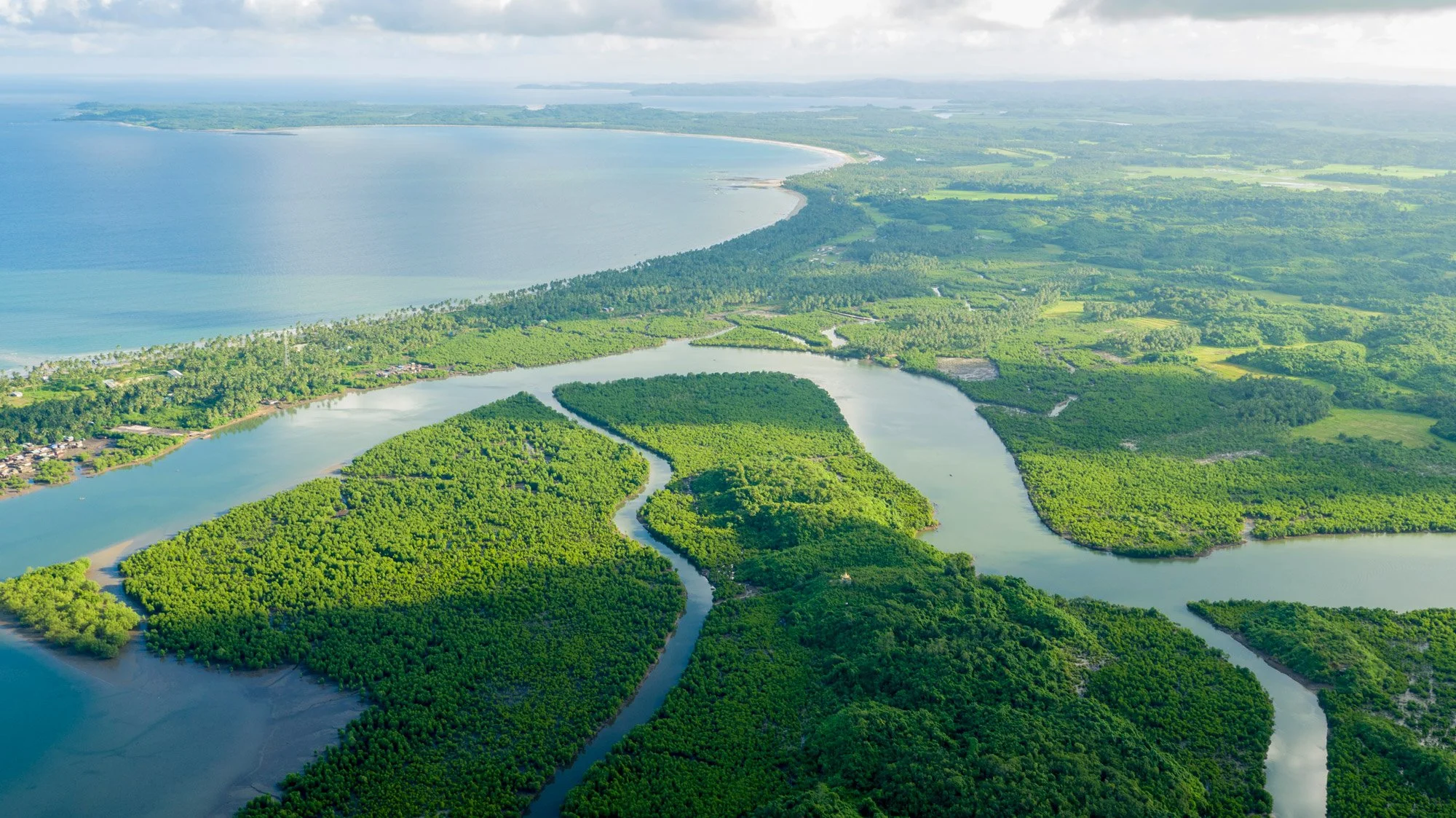
Panama represents an ideal proving ground for large-scale restoration — where biodiversity, coastal resilience, community development, and global commerce intersect.
Protecting and restoring its coastal ecosystems is not only important for Panama's communities. It also supports the health and stability of a region that connects the world's environmental and economic systems.
Community-Centered
Designed around local participation, consultation, and long-term stewardship.
Government-Backed
Supported through formal collaboration with Panama's Ministry of Environment.
Regionally Significant
Panama connects environmental, economic, and coastal resilience systems beyond its borders.
Restoration Doesn't Start With Planting Trees
A dedicated Worldview Las Americas team is already working in Panama. Today, the focus is on the essential groundwork that makes successful restoration possible.
Community Outreach
Building local partnerships and engaging communities that will help guide restoration efforts.
Indigenous Consultation
Working alongside local knowledge holders to ensure restoration respects both people and place.
Scientific Assessment
Evaluating ecological conditions and restoration opportunities across potential project sites.
Restoration Planning
Designing long-term restoration strategies that prioritize sustainability and measurable impact.
Government Engagement
Working with public institutions and environmental stakeholders to support implementation.
Worldview Las Americas
Building the network of an experienced executive and administrative team required for on the ground local engagement and long term success.
This Is Where Your Contribution Begins.
These photographs document the work already underway in Panama — from assessing damaged mangrove ecosystems to the community restoration efforts helping bring them back.
Large Areas Still Need Rehabilitation
This aerial view from Darién shows the scale of land where mangrove cover has been degraded and ecological rehabilitation is needed.
Restoration begins by understanding the landscape, water movement, soil conditions, existing vegetation, and the causes of degradation.
Restoration Starts in the Field
Representatives from Panama’s Ministry of Environment, MiAmbiente, and Worldview International Foundation are conducting field research to understand local conditions and identify suitable restoration opportunities.
This helps ensure future planting decisions are based on ecological evidence, local knowledge, and long-term restoration planning.
Some Mangrove Forests Have Already Been Lost
In some locations, mangroves have been cut for activities such as charcoal production, leaving damaged forest structures and interrupted ecosystems.
Understanding how and why degradation occurred is essential to designing restoration that can survive and endure.
Local Action Has Begun — but It Needs Support to Grow
These photographs show both the scale of a deforested area requiring replanting and an early local restoration effort. Community action can grow into a coordinated restoration program when it is supported by planning, resources, and long-term care.
Land That Needs Replanting
Degraded areas require careful site preparation, suitable species selection, and sustained restoration management.
Community Restoration Has Started
Local commitment is already visible. Additional support can help expand early activity into a coordinated, long-term restoration program.
Your Gift Supports the Groundwork Every Future Tree Depends On
Your contribution helps fund the critical preparation needed before restoration can succeed — from community consultation and ecological assessment to scientific planning and local coordination.
Community Engagement
Supporting local outreach and participation so restoration is shaped with the people closest to the ecosystem.
Indigenous Consultation
Helping ensure local knowledge, community priorities, and cultural context inform the restoration process.
Ecological Assessments
Funding the scientific groundwork needed to understand site conditions before restoration begins.
Scientific Planning
Supporting evidence-based restoration design, monitoring frameworks, and long-term project preparation.
Government Coordination
Helping align the people, permissions, and partnerships required to move restoration from planning to implementation.
Local Employment Development
Supporting early work that can create local opportunities connected to nursery development, fieldwork, and restoration.
Become one of 2,000 Founding Seed Sponsors.
A one-time $200 contribution helps launch the next chapter of mangrove restoration in Panama.
The Next 100 Million Mangroves Start Here.
Become one of 2,000 Founding Seed Sponsors helping launch the next chapter of large-scale mangrove restoration in Panama.
Become a Founding Seed Sponsor